|
Spanish
Hams and Paletas
There
are several differences between a full rear leg Serrano
ham and the front leg shoulder. The larger ham comes from
the rear leg and is known as the jamon, the
shoulder is the front leg of the pig and called the paleta.
Comparing the two together you will immediately notice the
size difference between these two cured legs. Full Spanish
hams can range from around 6.5kg for smaller examples up
to very large hams weighing in at 11kg plus. Shoulders on
the other hand usually weigh in the region of 5kg
6kg.
Upon
deciding which ham to buy it is worth considering that there
is a lot more meat on the rear leg, front shoulders tend
to be half the size and they are also much narrower than
a full ham. Rear legs are plump and have been cured for
longer losing near to 35% of their initial uncured weight
during the process. The meat from a full rear leg is also
moister; being thicker it tends to be softer in the middle
and ever so slightly more aromatic. This is not to say that
the humble shoulder is not a good buy, on the contrary,
a paleta represents very good value for money, still has
plenty of meat and makes the ideal gift or simply to have
at home for personal consumption.
Serrano
shoulders, in the main, have a slightly more intense flavour.
The reason for this, even though they are cured for less
time is that the ham is thinner and does not have as much
fat as its rear leg cousins. The flesh within also tends
to be firmer and slightly darker as a result of the curing
process. Besides from this there is very little difference
in the flavour making the front shoulder an ideal purchase
for anyone wishing to dabble in the world of Spanish ham.
Fat content is higher in rear legs and is something to consider
depending on your personal preference, ask any Spaniard
and they will tell you that the fat on a Spanish ham, either
Serrano or Iberico is one of the most important factors
affecting flavour, sliced ham in Spain usually has a generous
layer of fat on the outside of the slices.
It
is worth noting that the shoulder is slightly more challenging
to carve, being thinner there is less room for error and
with less fat around the outside edge preparing the shoulder
for carving needs a little more concentration as to not
accidently cut to deep into the meat when removing the outer
rind. A shoulder will produce some lovely deep red wafer
thin slices which when left to breath at room temperature
will begin to sweat resulting in the flavour intensifying.
The same applies to rear legs where the fat will almost
begin to melt resulting in a delicious creamy texture accompanied
by the mild saltiness of the meat.
The
amount of servings you can achieve from each leg will of
course depend on how thinly the ham is sliced, as a general
rule the thinner the better so the slices are almost transparent,
one should certainly be able to distinguish the blade of
the knife underneath whilst slicing. A shoulder will produce
around 50 good sized tapas and a rear leg double that. Both
are good for cooking with the flavour of the meat complimenting
chicken dishes very well and also delivering a nice twist
to starters such as lightly fried ham and poached egg, tostada,
salads and whole range of other dishes (see tapas recipes).
Rear
leg hams do offer more choice with regards to grades and
flavour, as a larger leg the jamon can be cured
from 12 months or even 2 years, shoulders given their size
are generally cured for around 9 months and rarely more
than that otherwise the meat will become too firm. Grades
depend on each individual Spanish curing house but as a
general rule (applicable to serrano hams) a curado
or bodega grade will indicate 12 14 months
curing, reserva 14 - 18 months and gran
reserva 18+ months.
Buying
Tips:
Consider
what the ham will be used for, both are suitable for keeping
in the home for personal consumption and will last up to
6 weeks in a cool environment away from humidity. Rear legs
have more outer fat, are slightly easier to carve and offer
the option of different grades/strength of flavour. For
parties and events a larger ham will be more suitable and
produce more meat, larger hams are moister but both deliver
good flavour. Shoulders are very popular in Spain and often
preferred by Spaniards, they also cost significantly less
than a full ham.
Food
Pairings:
- Manchego
Cheese - Probably one of the most famous combinations,
Serrano ham and Manchego is often served up as a tapas
duo in many Spanish bars and restaurants. The strength
of the cheese does not overpower but enhances the sweetness
of the ham, always good served with a drizzle of extra
virgin olive oil.
- Almonds
- Almonds are another good pairing and again very popular
in Spain. Usually served in tapas bars either in two separate
tapas dishes or as a round presentation of ham with almonds
in the center the wafer thin ham slices are wrapped around
each nut before being enjoyed with a short beer.
- Vine
Tomatoes - Tomatoes on the vine (especially cherry
vine tomatoes) are sweet and compliment both Serrano and
Iberico ham slices. For a fusion of real Spanish flavour
try a drizzle of extra virgin finished with cracked black
pepper over the tomatoes before serving with short ham
slices which can be placed over the top of the fruit.
- Olives
- As a tapa on their own olives are one Spains most
famous finger foods, paired with Serrano or Iberico ham
of all grades olives bring out the nutty tones of Iberian
slices and the sweetness of a good Serrano. They say there
is an olive for everyone, our recommendation is either
the Queen or split Alorena olives for the perfect Spanish
tapa.
- Broad
Beans - Habas con jamon is a famous
starter in Andalucia, the beans can either be boiled first
or simply eaten raw straight from the shells. Usually
served with slices of Serrano ham on top of bread with
a generous drizzle of extra virgin olive oil broad beans
are one of those vegetables that really bring out the
hams flavour.
- Fruit
- Serrano ham and melon is probably the most famous, turning
the tables in the flavour department where the mild saltiness
of the ham compliment the melon (cantaloupe is best) There
are however other fruits which match equally well
try peach, nectarine, orange and the other firm Spanish
favourite figs, either raw or baked
- Asparagus
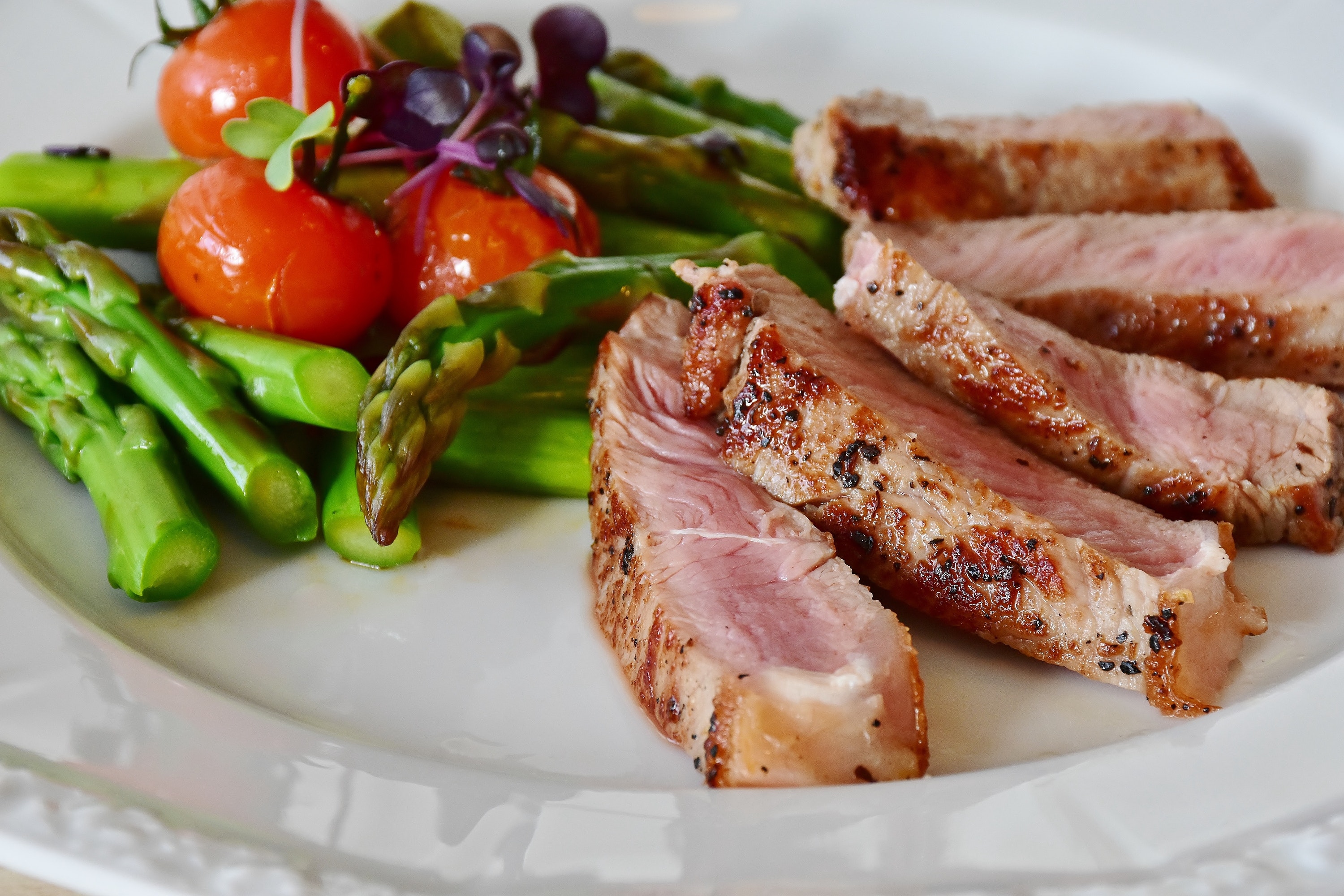
- Roasted asparagus wrapped in Serrano ham is a pure delight!
Boil the asparagus spears for 2 minutes, slice some Serrano
ham and wrap around a bunch of 5 spears, tie with string
then bake in the oven for 10 minutes. Probably one of
the best matches for a good Serrano ham.
- Chicken
- We all know that chicken and bacon go well together
so why not put a Spanish twist to your next chicken recipe.
Try stuffing chicken breast or boned chicken legs with
strips or diced Serrano ham for the famous Pollo
Granadinos, add some herbs and bake or create a
rustic casserole. Delicious!
Other
Ideas:
Serrano
ham or paleta slices can be lightly fried and makes a fantastic
ingredient in summer recipes such as wilted spinach salads,
or perfect fried and diced over baked aubergines. Ham also
goes well in scrambled eggs, can be baked in stuffed mushrooms
topped with cheese and as a topping on Spains most
famous breakfast the tostada. The land and sea
combination works very well indeed especially when pairing
Spanish ham with monkfish (try kebabs) or with king prawns.
Thinly sliced Serrano ham can also be used to wrap fish
fillets before baking, hake and mackerel being popular in
Andalucia. Fino sherry serve chilled with a plate
of sliced ham, a true Andalucian combination and not forgetting
a good red wine, ham, cheese, grapes and crackers.
Questions
regarding Spanish ham?
Email
info@orceserranohams.com
©
Copyright 2011 Orce Serrano Hams - www.orceserranohams.com
|