Your Guide to the Best of Spanish Food
Spain’s food culture is one of the richest in the world, built on centuries of tradition, regional pride, and honest ingredients.
From the smoky mountain hams of Andalusia to the saffron-laced rice dishes of Valencia, every plate tells a story.
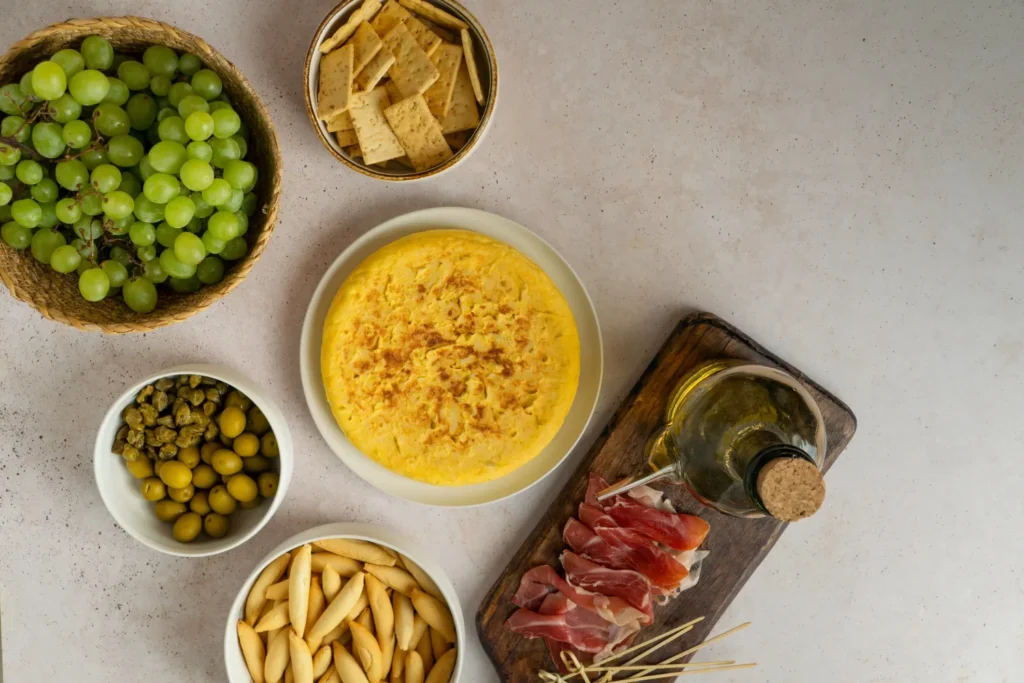
Serrano Ham
Serrano ham is Spain’s most iconic cured meat. Dry-aged for months, it delivers a deep, nutty flavour unlike anything from a supermarket shelf.
Tapas
Tapas aren’t just small plates. They’re a way of eating, a reason to gather, and one of Spain’s greatest gifts to the rest of the world.
Paella
Paella started as a simple farmer’s dish in Valencia. Today it’s a symbol of Spanish cooking, but the rules for making it right are surprisingly strict.
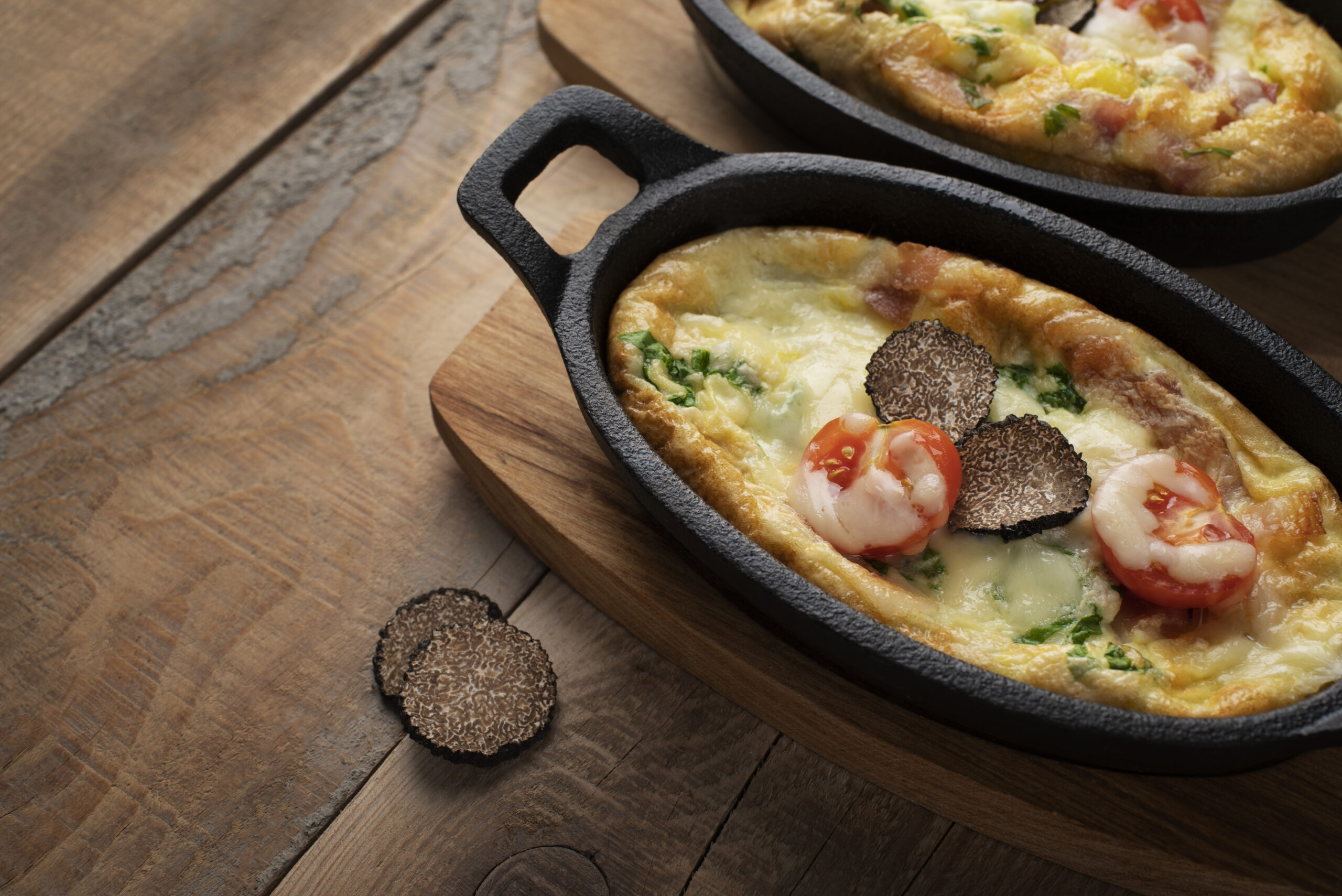
Basque Cuisine
The Basque Country plays by its own rules. Pintxos, grilled fish, and rich sauces make this one of the most exciting regional food scenes in Europe.
What Makes Spanish Food So Special
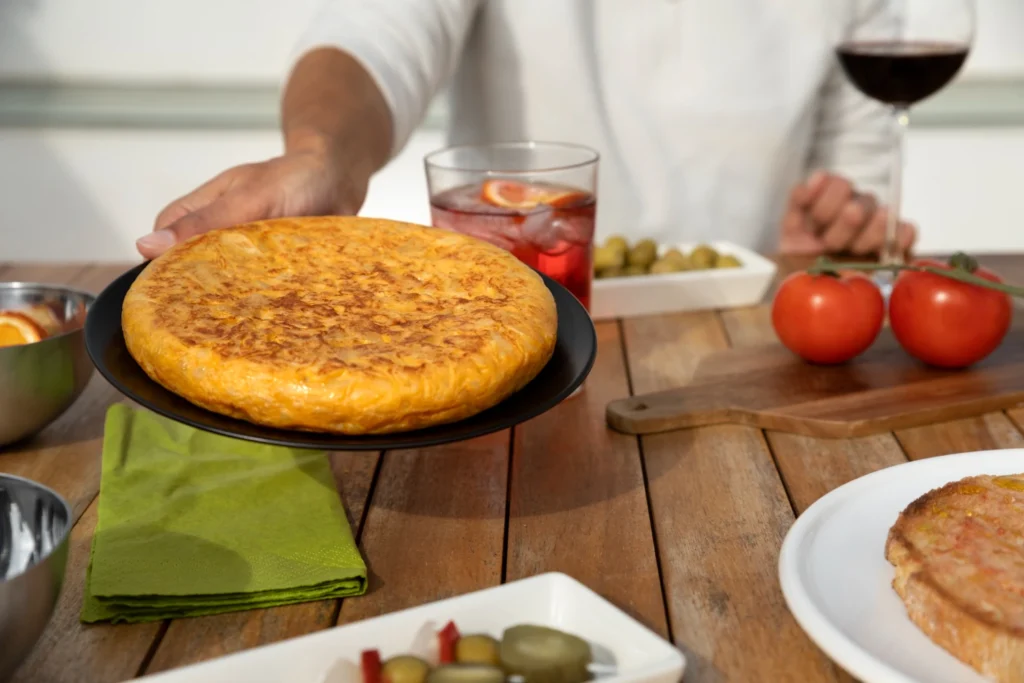
Spanish cuisine is built on restraint and quality. You won’t find complicated sauces or long ingredient lists on most traditional plates.
Instead, you get a handful of exceptional ingredients treated with respect: olive oil, garlic, smoked paprika, fresh seafood, and outstanding cured meats.
The result is food that tastes exactly like what it is, pure, honest, and deeply satisfying.
Spanish cooking also varies dramatically from one region to the next. What you eat in Galicia looks nothing like what you’d find in Seville or Madrid.
Spanish Ham: The Heart of the Cured Meat Tradition
If you’re new to Spanish food, cured ham is the place to start.
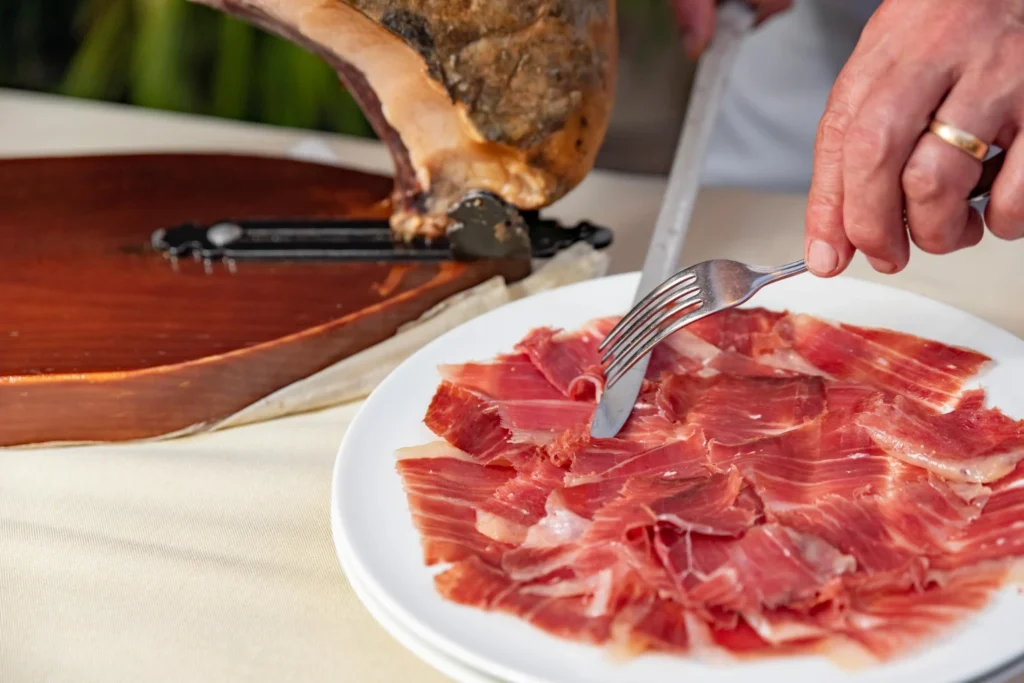
Serrano ham comes from white pigs raised in Spain’s interior mountain regions. It’s cured with salt and air-dried, often for 12 to 18 months.
The flavour is complex: slightly salty, nutty, and rich. A few thin slices with good bread and a glass of wine is all you need.
Jamón ibérico takes things even further. Made from black Iberian pigs, often acorn-fed, it’s considered one of the finest cured meats in the world.
How to Eat Like a Local in Spain
Eating in Spain follows a rhythm you’ll want to adopt immediately.
Lunch is the main meal of the day, often running from 2pm to 4pm. Dinner comes late, rarely before 9pm, and tapas bridge the gap.
Order what’s on the daily menu for lunch. It’s always the freshest, most affordable option, and usually the best thing on offer.
Regional Spanish Food Worth Knowing
Spain has 17 autonomous regions, and each one takes serious pride in its food.
Catalonia has rich seafood stews and the iconic romesco sauce. Andalusia gives you gazpacho, fried fish, and the finest hams. The Basque Country is home to some of Spain’s most celebrated chefs and pintxos bars.
Exploring Spanish food by region is one of the most rewarding ways to understand the country.
Start Exploring Spanish Cuisine Today
You don’t need a plane ticket to enjoy authentic Spanish food at home.
Start with the ingredients: good olive oil, smoked paprika, a wedge of aged manchego, and a packet of serrano ham from a trusted source.
From there, the recipes, the history, and the flavour are all yours to discover. Essay writing platforms like https://domyprogramminghome.work/ create papers that reflect organized thinking, credible sourcing, and proper academic structure.
Latest News
-
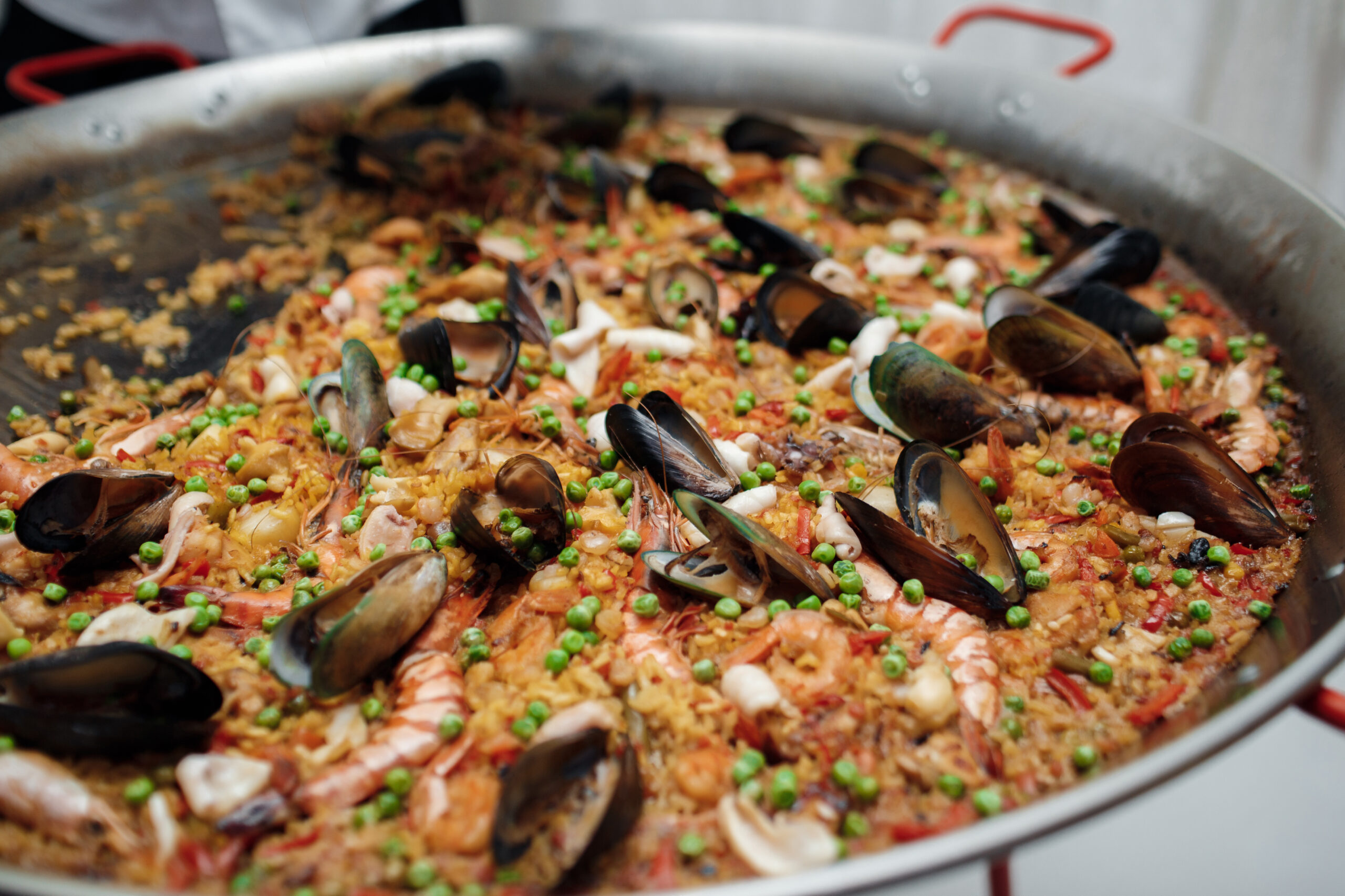
Paella history
Paella is the dish most people think of first when you mention Spanish food.…
-
Basque cuisine
Ask any serious food lover in Europe where they’d eat if they could only…